Paige Bryson, Museum educator
Bean Blog
Welcome to the Bean Life Science Museum's blog. Here you can read about new museum exhibits and events. Feel free to make comment or vote on our poll. Visit the official museum website.
Tuesday, November 1, 2011
Nature Experienceship - Aspen Forests with Sam St. Clair
Saturday morning we went up and around the Aspen Loop to look at aspen and pine trees. Sam St. Clair our gide was determined for everyone to LOVE plants by the end of the experienceship. He talked about adaptations and defences that trees naturally have. Fir trees have sap 'pustules' that squirt out sap when squeezed to deter pine beetles and other insects. He said that a big reason there is so much loss of pine forests to the beetles is because the drought prevented the trees from making the sap packets and the beetles were free to burrow in the bark. Aspen trees have chlorophyll in their bark which means that their trunks can photosynthesize even after they have lost all their leaves, and aspens have a waxy layer you can rub on your skin which acts like sunscreen. The experienceship was a blast and I walked away loving trees!
Tuesday, September 13, 2011
Nature Experienceship - Birding with Merrill Webb
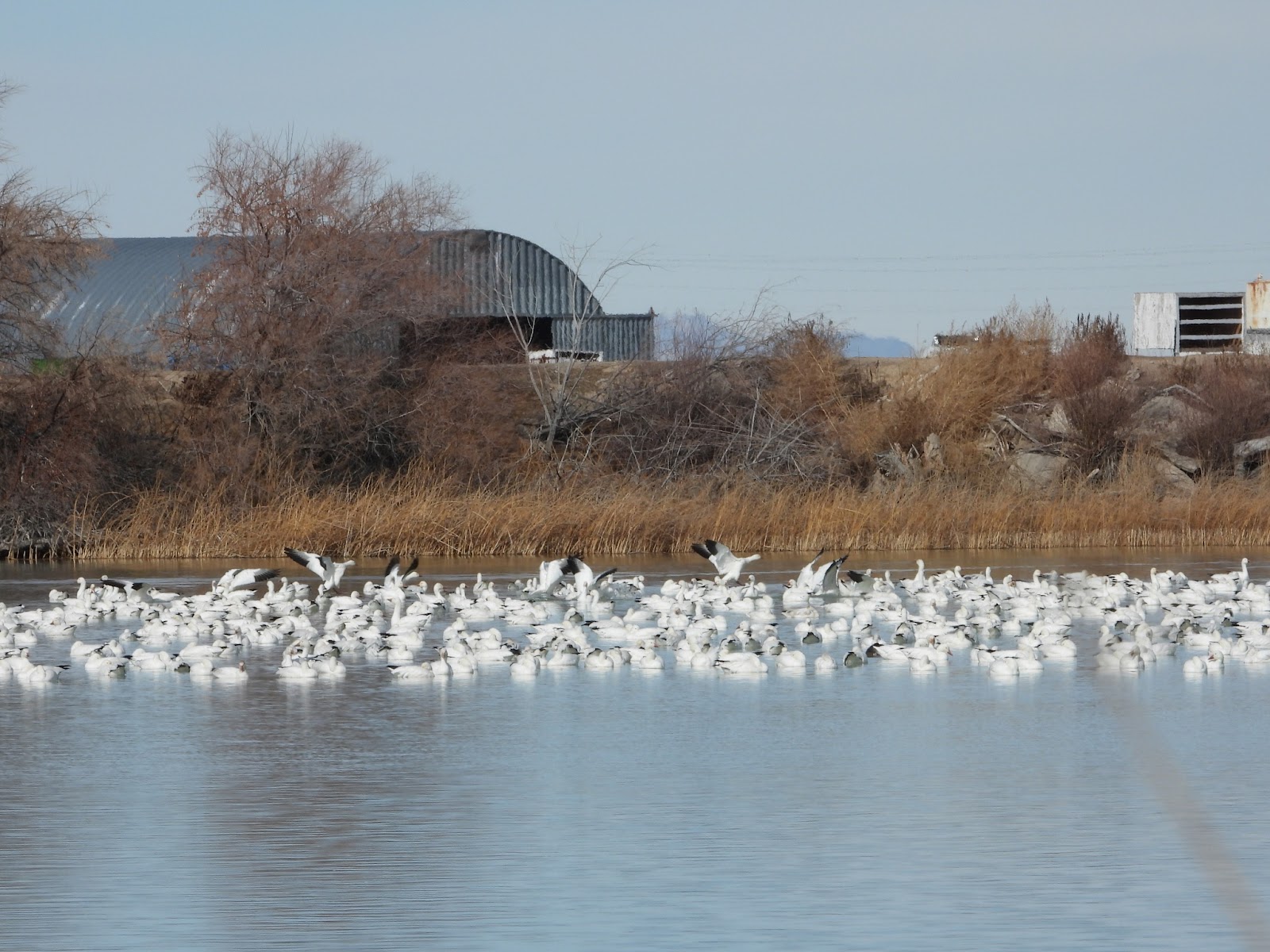
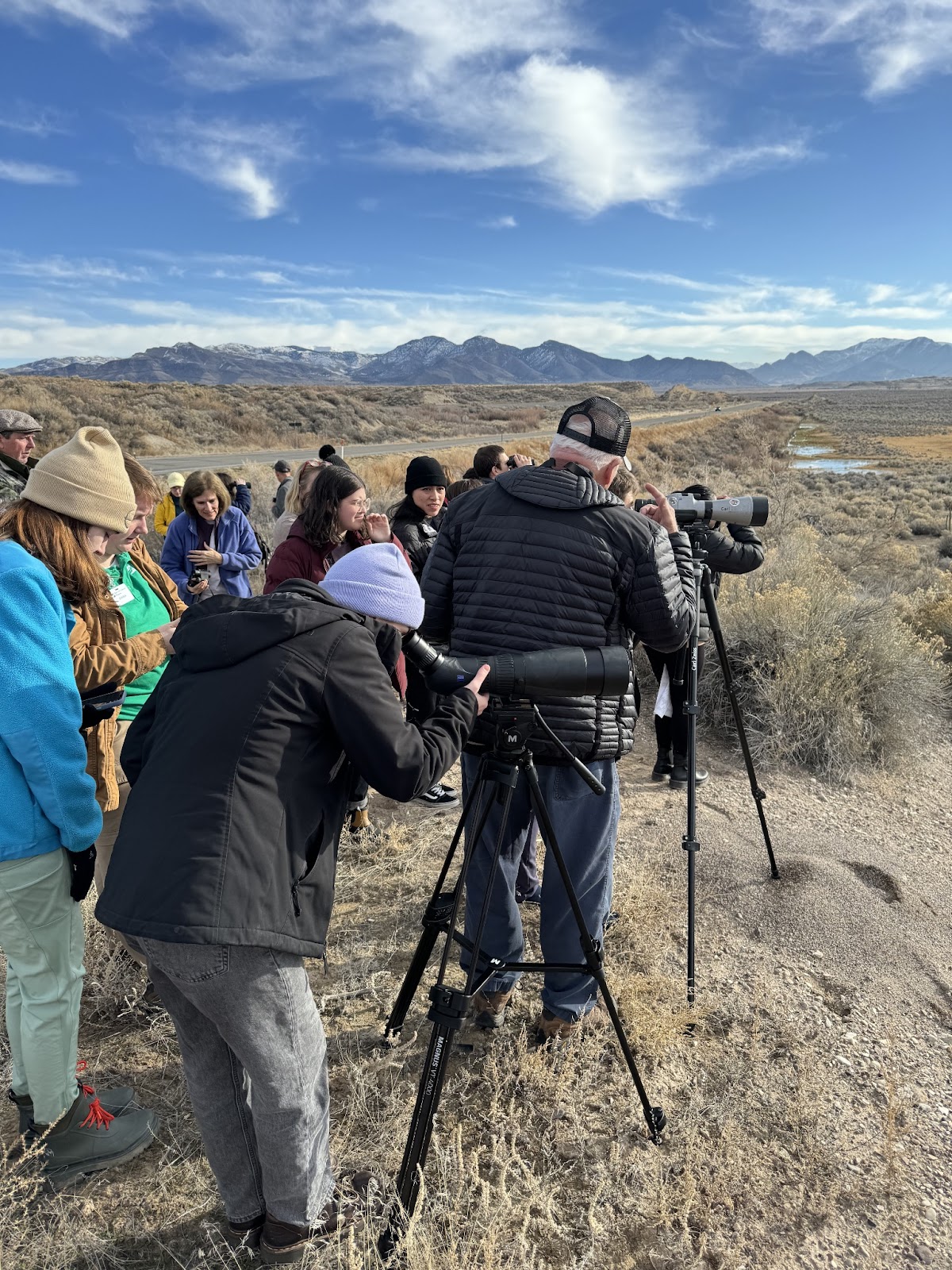
We identified about 30 species of birds around the south end of Utah Lake last Saturday. Mr. Webb could spot any bird in the sky and name it, and by the end we could name a few birds ourselves. Mr. Webb taught us about the niche interactions of different species, specifically the White Faced Ibis and Snowy Egret who can coexist in the same niche because they are not competing for resources. The Ibis probes the mud using its long beak for insects and larvae, while scaring up fish for the Egret who uses its beak to catch them. I definitely left with an appreciation for the diversity of birds in the area, and how they have adapted to living together in the same ecosystem, managing resource and space competition.
Paige, museum educator
Species List (September 10, 2011):
Barn Swallow
Yellow-headed blackbird
Marsh Wren
Sora
Osprey
Great Blue Heron
Canada Goose
Double-crested Cormorants
Snowy Egret
American Pelican
Black-necked stilt
Ring-billed gull
Greater Yellowlegs
Violet-green Swallow
Tree swallow - blue back
Mallard
Clark's Grebe
American avocet
Killdeer
Cinnamon Teal
Franklin's Gull
American Coot
Marbled Godwit
Willet
Turkey Vulture
Caspian Tern
Sandhill Crane
Red-tailed Hawk
Labels:
Bird Watching,
Merrill Webb,
Nature Experienceship
Wednesday, August 10, 2011
Nature Experienceship - Mammals with Duke Rogers
We started the Experienceship near Squaw Peak where Dr. Rogers had set 40 animal traps. He explained the population dynamic of the mountain and predicted we should find about 4 trapped rodents, most likely all deer mice. After opening and releasing at least 15 traps with mice and voles Dr. Rogers talked about population studies and his research in how rodents carry and transfer diseases to humans.
Back at the Bean, we saw the mammal collection, and for those who stayed Dr. Rogers, with his bare hands, dissected and stuffed a roadkill squirrel he had picked up the day before. He was un-phased by the operation, averaging 250 dissections per year, and having stuffed a black bear before had no reservations about the flattened squirrel. It was an amazing behind the scenes opportunity, thanks so much to Dr. Rogers!
Paige, museum educator
Tuesday, April 12, 2011
Nature Experienceship - Birding with Merrill Webb
We had a great group join us for our bird watching trip with Merrill Webb on a snowy April morning. In spite of the weather, we saw 37 species of birds and four of them were new for Mr. Webb's year list.
1. Black-billed Magpie
2. American Robin
3. Brewer's blackbird
4. Red-wing blackbird
5. Cinnamon teal
6. White crowned sparrow
7. European Starling
8. Western Meadowlark
9 Northern Harrier
10. Gadwall
11. Ring-necked Pheasant
12. Red-tailed hawk
13. American Kestrel
14. Rock Pigeon
15. Killdeer
16. Mallard
17. Sandhill Crane
18. Yellow-headed blackbird
19. House Sparrows
20. Snowy Egret
21. Osprey
22. American White Pelican
23. Canada Goose
24. Northern Shovelers
25. American Coot
26. Say's Phoebe
27. Barn Swallow
28. California Gulls
29. Redhead
30. American Wigeon
31. Greater yellowlegs
32. Snipes
33. Long-billed Dowtichwer
34. Willet
35. American Avocet
36. Black-necked stilt
37. Snowy Plover
1. Black-billed Magpie
2. American Robin
3. Brewer's blackbird
4. Red-wing blackbird
5. Cinnamon teal
6. White crowned sparrow
7. European Starling
8. Western Meadowlark
9 Northern Harrier
10. Gadwall
11. Ring-necked Pheasant
12. Red-tailed hawk
13. American Kestrel
14. Rock Pigeon
15. Killdeer
16. Mallard
17. Sandhill Crane
18. Yellow-headed blackbird
19. House Sparrows
20. Snowy Egret
21. Osprey
22. American White Pelican
23. Canada Goose
24. Northern Shovelers
25. American Coot
26. Say's Phoebe
27. Barn Swallow
28. California Gulls
29. Redhead
30. American Wigeon
31. Greater yellowlegs
32. Snipes
33. Long-billed Dowtichwer
34. Willet
35. American Avocet
36. Black-necked stilt
37. Snowy Plover
Labels:
Bird Watching,
Merrill Webb,
Nature Experienceship
Thursday, April 7, 2011
Saturday Safari - A Dive into the Ocean
On our last Saturday Safari of the semester we took A Dive in the Ocean. We learned about all of the strange looking deep ocean fish, and other awesome animals in the deep blue sea. We watched a special ocean episode of the Magic School Bus, and then after that the kids made their own craft fish. It was a lot of fun. Saturday Safari is done for this semester, but it will start back up in the Spring!
Tuesday, March 22, 2011
Saturday Safari - Ecosystems
This last Saturday Safari we learned all about ecosystems and the animals that live in them. We focused mainly on the grasslands, wetlands, and the tropical rainforest. We watched a Magic School Bus episode dedicated to habitats, and then we created our own habitats for our craft. It was so much fun. Next week we will be learning about the Desert, and it will be very exciting!
Friday, March 18, 2011
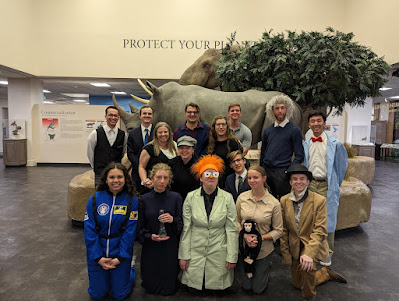
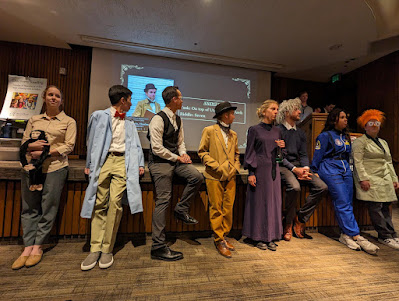
CLUE - Date Night
Subscribe to:
Posts (Atom)